

How Does Medical Waste Collection Work in Dubai? A Step-by-Step Guide
Medical waste management is one of the most heavily regulated aspects of healthcare operations in Dubai. From hospitals and clinics to dental practices, laboratories, veterinary centers, and aesthetic clinics, every healthcare facility generates waste that must be handled, transported, and disposed of safely.
Improper disposal of medical waste can lead to serious health risks, environmental contamination, regulatory penalties, and reputational damage. To prevent these issues, Dubai follows strict waste management regulations enforced by the Dubai Health Authority (DHA), Dubai Municipality, and other environmental authorities.
Understanding how medical waste collection works in Dubai helps healthcare providers maintain compliance while protecting patients, staff, and the community. In this guide, we explain the complete process from waste generation to final disposal.
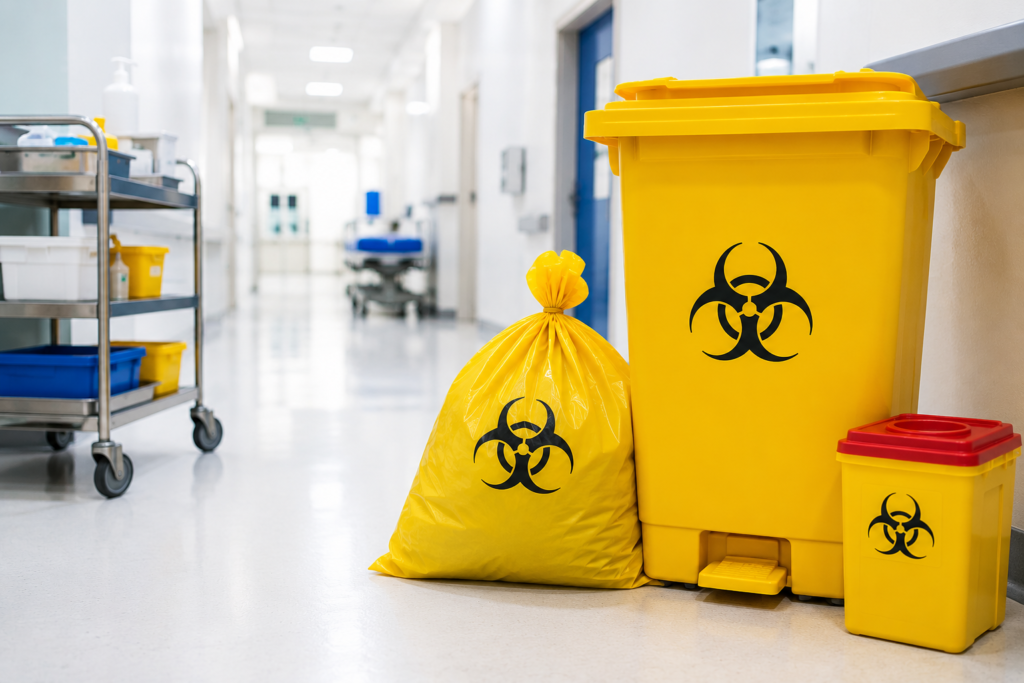
Step 1: Segregation at Source
The first and most important stage of medical waste management is proper segregation at the point of generation.
Healthcare facilities must separate different types of waste immediately to reduce contamination risks and ensure each category receives the appropriate treatment.
Yellow Bags and Containers – Infectious Clinical Waste
Yellow bags or bins are typically used for infectious medical waste, including:
- Blood-soaked materials
- Contaminated dressings
- Laboratory cultures
- Isolation ward waste
- Medical materials exposed to infectious agents
This waste requires specialized treatment before final disposal.
Red Containers – Sharps Waste
Sharps waste includes items that can puncture or cut the skin, such as:
- Needles
- Syringes
- Scalpel blades
- Surgical instruments
- Broken medical glass
These materials are placed in puncture-resistant red sharps containers to prevent injuries and accidental exposure.
Black Containers – Pharmaceutical and Cytotoxic Waste
Expired medications, pharmaceutical products, and cytotoxic materials generated during cancer treatments require separate disposal procedures.
These waste streams are collected in designated containers and treated using specialized high-temperature destruction methods.
Clear or White Containers – Non-Infectious Recyclable Waste
Non-hazardous waste such as:
- Paper
- Cardboard
- Plastic packaging
- Clean recyclable materials
can often be separated for recycling programs, helping healthcare facilities improve sustainability.
Proper waste segregation significantly reduces disposal costs and ensures compliance with Dubai healthcare regulations.
Step 2: Secure On-Site Storage
After segregation, medical waste must be stored safely until collection.
Healthcare facilities are required to maintain designated medical waste storage areas that meet strict safety standards.
Key Storage Requirements
A compliant medical waste storage area should include:
- Restricted access to authorized personnel only
- Secure locking systems
- Adequate ventilation
- Easy-to-clean surfaces
- Spill containment measures
- Clearly marked hazard signage
Temperature-Controlled Storage
Certain medical waste categories, particularly pathological or highly infectious waste, may require temperature-controlled storage to prevent decomposition and minimize health risks.
Proper Labeling
All containers should display:
- Waste category information
- Hazard symbols
- Collection dates
- Facility identification details
Proper labeling helps ensure safe handling throughout the collection and disposal process.
Step 3: Scheduled Collection by a Licensed Contractor
Medical waste cannot be transported by unauthorized personnel. Collection must be carried out by a licensed medical waste management company approved to operate within Dubai and the UAE.
Collection Scheduling
Healthcare facilities typically establish regular collection schedules based on:
- Facility size
- Waste volume generated
- Type of medical services provided
- Regulatory requirements
Busy hospitals may require daily collections, while smaller clinics may schedule collections weekly or bi-weekly.
Collection Process
On the scheduled date:
- Licensed waste management personnel arrive at the facility.
- Containers are inspected for compliance.
- Waste quantities are verified.
- Collection documentation is completed.
- Both parties sign the transfer records.
Transfer Note Issuance
A transfer note documents:
- Waste type
- Quantity collected
- Collection date and time
- Collection company details
- Facility details
This creates a clear chain of custody and regulatory audit trail.
GPS-Tracked Vehicles
Collected waste is transported using specially designed vehicles that are:
- Leak-proof
- Sealed
- Hazard-labeled
- GPS monitored
- Approved for medical waste transportation
These safety measures help maintain accountability throughout the transport process.
Step 4: Transport to an Approved Treatment Facility
Once collected, medical waste is transported to authorized treatment facilities where it undergoes specialized processing before final disposal.
Different waste categories require different treatment methods.
Autoclaving for Infectious Waste
Autoclaving is one of the most common treatment methods for infectious healthcare waste.
This process uses:
- High-pressure steam
- Elevated temperatures
- Controlled treatment cycles
Autoclaving destroys harmful microorganisms and sterilizes waste before disposal.
High-Temperature Incineration
Certain waste streams require complete destruction through incineration, including:
- Pharmaceutical waste
- Cytotoxic waste
- Pathological waste
- Certain hazardous healthcare materials
High-temperature incineration ensures dangerous substances are safely eliminated.
Sharps Destruction
Sharps waste undergoes specialized treatment and destruction processes designed to:
- Prevent reuse
- Eliminate injury risks
- Ensure complete destruction of contaminated materials
These processes comply with UAE environmental and healthcare regulations.
Step 5: Documentation and Compliance
Documentation is essential for proving legal compliance and demonstrating responsible waste management practices.
Disposal Manifest Certificate
After treatment and disposal, healthcare facilities receive documentation confirming that waste has been properly processed.
This documentation often includes:
- Collection records
- Treatment details
- Disposal confirmation
- Waste tracking information
Regulatory Audit Trail
Healthcare facilities should maintain records for:
- Waste generation
- Collection schedules
- Disposal manifests
- Contractor licenses
- Inspection reports
Maintaining complete records helps support regulatory audits and inspections.
DHA Inspection Readiness
Dubai healthcare facilities may be subject to inspections by relevant authorities.
Accurate documentation demonstrates:
- Compliance with regulations
- Safe waste handling procedures
- Proper disposal practices
- Environmental responsibility
Being prepared for inspections reduces operational risks and helps avoid potential penalties.
Why Professional Medical Waste Collection Matters
Healthcare waste contains potentially infectious, hazardous, and regulated materials that require specialized handling.
Partnering with a professional medical waste collection company in Dubai offers several benefits:
- Full regulatory compliance
- Reduced health and safety risks
- Reliable scheduled collections
- Secure transportation
- Proper treatment and disposal
- Complete documentation support
- Environmental protection
Whether you operate a hospital in Deira, a dental clinic in Al Nahda, a medical center in Jumeirah, or healthcare facilities in Sharjah and Abu Dhabi, proper medical waste management is essential for maintaining safe operations.
Conclusion
Medical waste collection in Dubai follows a highly structured process designed to protect public health, healthcare workers, patients, and the environment. From segregation at source and secure storage to licensed transportation, treatment, and compliance documentation, every stage plays a vital role in ensuring safe disposal.
Healthcare facilities that work with experienced waste management providers can simplify compliance, reduce operational risks, and maintain the highest standards of safety.
If your facility requires reliable medical waste collection services in Dubai, Sharjah, or Abu Dhabi, professional support ensures your waste is managed responsibly from collection to final disposal.
Call Globalex Today
Need a reliable medical waste collection company in Dubai?
Call Globalex now: +971-55-9286666 for a free quote and compliance consultation.
Frequently Asked Questions
Who can collect medical waste in Dubai?
Only licensed and authorized medical waste management companies are permitted to collect, transport, and dispose of healthcare waste in Dubai according to applicable regulations.
Does a beauty salon need a medical waste contract?
Beauty salons that generate sharps waste or materials contaminated with blood may require specialized medical waste disposal services depending on the treatments offered.
How do I get a disposal manifest certificate?
Your licensed waste collection provider issues disposal documentation after waste has been transported, treated, and disposed of through approved facilities.
How often should medical waste be collected?
Collection frequency depends on the facility type, waste volume, and regulatory requirements. Many healthcare facilities schedule weekly, bi-weekly, or daily collections.
What happens if medical waste is disposed of incorrectly?
Improper disposal can result in health hazards, environmental damage, regulatory penalties, and potential legal consequences for the facility.

